
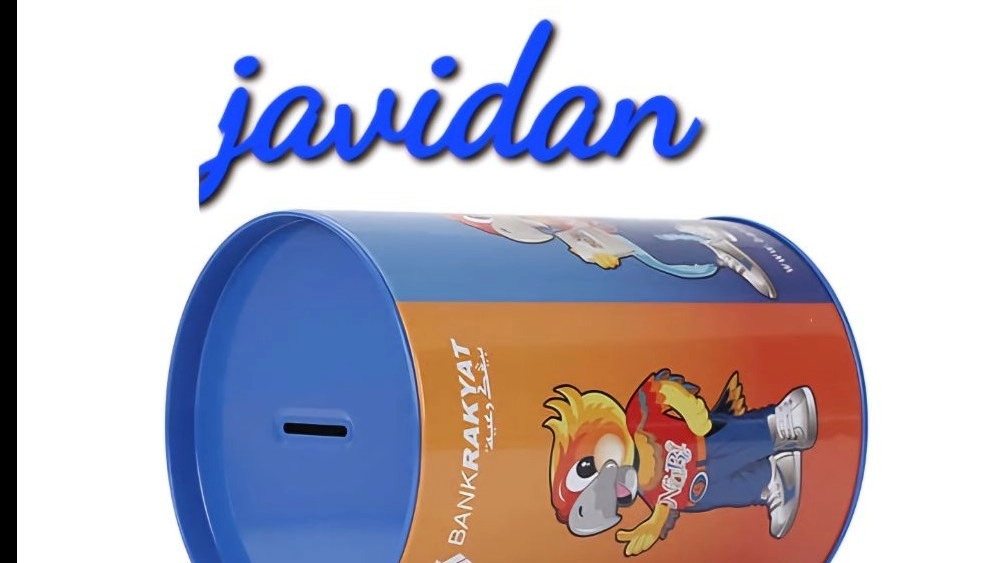
Introduction
milestone: The invention of metal cans
In the late eighteenth century, the need for food maintenance for armies and navy was increasing. Governments and inventors were looking for a way to keep food for a longer time and prevent them from being spoiled. In the meantime, Nicholas Aps, a French confectionery, was able to solve the problem by presenting a new method. In 1809, Apert made a method in which food was fastened in glass containers and then heated in boiling water. This process destroyed germs and prevents food corruption.Gradual Evolution: From handmade cans to mass production
, metal cans were manually manually made. Skilled workers cut, bend, and solder to form cans. The process was very time -consuming and costly, limiting the production of cans. However, with the advancement of technology and the invention of new machinery, the can of the cans was gradually mechanized.In the mid -19th century, machinery for cutting, bending and soldering was invented. These machines increased the speed and accuracy of the cans and made it possible to mass production. During this period, many cans were established in Europe and the US and began producing large -scale metal cans.
The Industrial Revolution and its impact on the cansing industry
Industrial Revolution in the nineteenth century had a significant impact on the cannon industry. With the invention of the steam engine and the use of advanced machinery, the production of cans increased dramatically. Also, with the development of rail and maritime transport networks, cans and canned products were possible to move to remote areas. This expanded the market for metal cans and increased demand for them.Technological advances in the twentieth century
in the twentieth century, the cans of the cans saw significant technological advances. The use of steel instead of iron, the invention of new methods for covering cans with stainless steel, inventing easy opening doors, and using automation systems in production lines were among these advances. These advances enhanced the quality, durability and efficiency of metal cans and made them one of the most important storage and packaging tools.Aluminum cans: A lightweight and recyclable alternative
In the late 20th century, aluminum cans were introduced as an alternative to steel cans. Metal aluminum is lightweight and rust resistant and is easily recyclable. Aluminum cans have quickly become popular in the beverage industry and are widely used today for packaging of beverages, juices and other drinks.Cans in Iran: From the past to the present
the cans of the cans in Iran is also long. Initially, metal cans were manufactured in limited manner using traditional methods. Over time and the arrival of new machinery, the cansing industry in Iran also developed and many companies began operating in this field. Today, Iranian cans produce and supply all kinds of metal and aluminum cans to various industries using modern technologies.Immigration Cans: Leader in Iran's Canal Making Industry
Immortal cans (https://javidanghoti.ir/) is one of the leading companies in the Iranian cans industry. Using the technical knowledge of the world and using quality raw materials, the company produces a variety of metal cans for the food, chemical and industrial industries. Eternal cans, by providing distinctive quality products and services, always strives to satisfy its customers and play an important role in the development of the cansmaking industry in Iran.A variety of applications of metal cans
Metal cans have a wide variety of uses and are used in various industries. Among the most important applications of metal cans are:- بستهبندی مواد غذایی: قوطیهای فلزی به طور گستردهای برای بستهبندی انواع کنسروها، کمپوتها، مرباها، ترشیجات و سایر مواد غذایی استفاده میشوند.
- بستهبندی نوشیدنیها: قوطیهای آلومینیومی به طور عمده برای بستهبندی نوشابهها، آبمیوهها، دلسترها و سایر نوشیدنیها استفاده میشوند.
- بستهبندی مواد شیمیایی: قوطیهای فلزی برای بستهبندی انواع رنگها، روغنها، حلالها، چسبها و سایر مواد شیمیایی استفاده میشوند.
- بستهبندی محصولات صنعتی: قوطیهای فلزی برای بستهبندی انواع قطعات یدکی، ابزارآلات، لوازم الکترونیکی و سایر محصولات صنعتی استفاده میشوند.
- حفظ و نگهداری طولانی مدت: قوطیهای فلزی به خوبی از مواد غذایی و سایر محصولات در برابر هوا، رطوبت، نور و میکروبها محافظت میکنند و باعث افزایش ماندگاری آنها میشوند.
- مقاومت و دوام بالا: قوطیهای فلزی بسیار محکم و بادوام هستند و میتوانند در شرایط سخت جابجایی و نگهداری مقاومت کنند.
- قابلیت بازیافت: قوطیهای فلزی به راحتی قابل بازیافت هستند و میتوانند به عنوان مواد اولیه برای تولید محصولات جدید مورد استفاده قرار گیرند.
- حمل و نقل آسان: قوطیهای فلزی به دلیل شکل و اندازه مناسب، به راحتی قابل حمل و نقل هستند.
- قابلیت چاپ و برچسبگذاری: قوطیهای فلزی به راحتی قابل چاپ و برچسبگذاری هستند و میتوان اطلاعات مربوط به محصول را به راحتی بر روی آنها درج کرد.
The Challenges and Future of the Cannes Industry
The cans of the cans face a variety of challenges, including:- افزایش قیمت مواد اولیه: قیمت مواد اولیه مانند فولاد و آلومینیوم در سالهای اخیر افزایش یافته است که این امر باعث افزایش قیمت تمام شده قوطیها شده است.
- رقابت با سایر روشهای بستهبندی: قوطیهای فلزی با سایر روشهای بستهبندی مانند بستهبندیهای پلاستیکی و کاغذی رقابت میکنند.
- نگرانیهای زیستمحیطی: تولید قوطیهای فلزی میتواند باعث آلودگی محیط زیست شود.
Despite these challenges, the cansing industry continues to grow. With the advancement of technology and the use of sustainable production methods, the industry's challenges can be reduced and a bright future. Companies such as immortal cans (https://javidanghoti.ir/) can play an important role in this regard by focusing on innovation, quality and social responsibility.
Conclusion
The cans of the cans has traveled a long, high -end trip. From early handmade cans to today's advanced cans, the industry has always been evolving. Metal cans play an important role in preserving and maintaining food, pharmaceutical and industrial because of their many benefits. Cans such as immortal cans (https://javidanghoti.ir/) play an important role in meeting market needs and development of this industry by providing distinct quality products and services.